
Essential Steps for Selling a Home in Longmont
April 2, 2026
April 2, 2026
Selling in Longmont can still work in your favor, but it is not a market where you can toss a home online and expect top dollar without a plan. Buyers are active, yet current data shows they are still comparing value, condition, and price carefully. If you are thinking about listing, the right prep can help you protect your price, avoid preventable surprises, and launch with more confidence. Let’s dive in.
Longmont remains an active market, but the numbers point to a more balanced reality than many sellers expect. Realtor.com’s Longmont market overview shows 489 active listings, a median listing price of $599,000, a median 36 days on market, and a 99% sale-to-list ratio as of March 2026.
At the same time, the broader trend suggests buyers are not overlooking presentation or pricing mistakes. Homes are selling, but not so quickly that you can skip repairs, ignore staging, or push pricing too far. In a market like this, your preparation often shapes your outcome.
Longmont gives buyers a different value point within Boulder County. The city’s median listing price is materially below Boulder County’s median sales price, which was $799,000 in the January 2026 MLS report referenced in the research. That means buyers may see Longmont as a place to find relative value, not a place to overpay for deferred maintenance.
This is why pricing discipline matters from day one. Current Longmont data also shows homes selling for about 1.39% below asking on average, even while the city is still labeled a seller’s market on Realtor.com. The takeaway is simple: buyers may move quickly on the right home, but they are still negotiating.
If you know a move may happen within the next year, that lead time can help you make better decisions without feeling rushed. According to the National Association of Realtors consumer guide on preparing to sell, this is the ideal stage to choose an agent, set a repair budget, and decide whether you will sell as-is or complete selective updates.
This is also the time to gather documents that tend to go missing later. Warranties, guarantees, user manuals, roof records, appliance information, and service receipts can all become useful once your home is under contract. A little organization early can make the transaction feel much smoother later.
Not every repair deserves your time or money. The goal is not to make your home perfect. The goal is to understand what could affect buyer confidence, financing, inspection results, or negotiations.
Large-ticket items deserve early attention, even if you do not plan to replace them before listing. NAR recommends estimating the cost of major repairs such as a roof, HVAC system, or major appliance, because those issues can still influence pricing strategy and buyer expectations. Knowing your likely pain points ahead of time helps you choose whether to repair, disclose, or price around them.
This is a smart window for a pre-sale inspection if you want a clearer picture of your home before buyers start walking through it. NAR says a pre-sale inspection is optional, but it can help identify issues you may want to repair before showings and can help your home stand out.
In Colorado, that can be especially valuable because the seller disclosure form must be completed by you, not your broker, and it is based on your current actual knowledge. If an inspection uncovers an issue, you should talk with your agent right away about how that affects your disclosure obligations and your listing strategy.
Colorado’s current residential seller disclosure form became mandatory on January 1, 2026. The state form from the Colorado Division of Real Estate makes clear that sellers do not have a duty to investigate, but they do need to disclose known adverse material facts and provide relevant documents or reports they already have.
The form covers a wide range of issues that often matter in real transactions. That includes structural concerns, water intrusion, drainage and grading, roof issues, hail or wind damage, flood history, radon, HOA matters, and metropolitan district information. If you have prior reports or records tied to any of those topics, it is smart to gather them before listing.
In Boulder County, radon is not something sellers should treat as an afterthought. Boulder County’s radon guidance for real estate transactions says radon must be disclosed if the seller knows it exists or has ever existed, even if previous results were below 4.0 pCi/L. The county also recommends testing at the time of sale so buyers can make an informed decision.
That matters because radon is common in Colorado. The Colorado Department of Public Health and Environment information cited by Boulder County says elevated radon levels are found in one out of every two Colorado homes, and mitigation in Colorado usually costs about $1,000 to $2,000. For many Longmont sellers, testing early can reduce stress and help prevent a surprise during the buyer’s inspection period.
Buyers tend to feel more comfortable when a home is not only clean and well priced, but also well documented. If you can answer questions quickly and share relevant records, you may reduce uncertainty and keep negotiations more focused.
A practical pre-list file might include:
This kind of preparation will not remove every question, but it can help buyers feel that your home has been responsibly maintained and honestly represented.
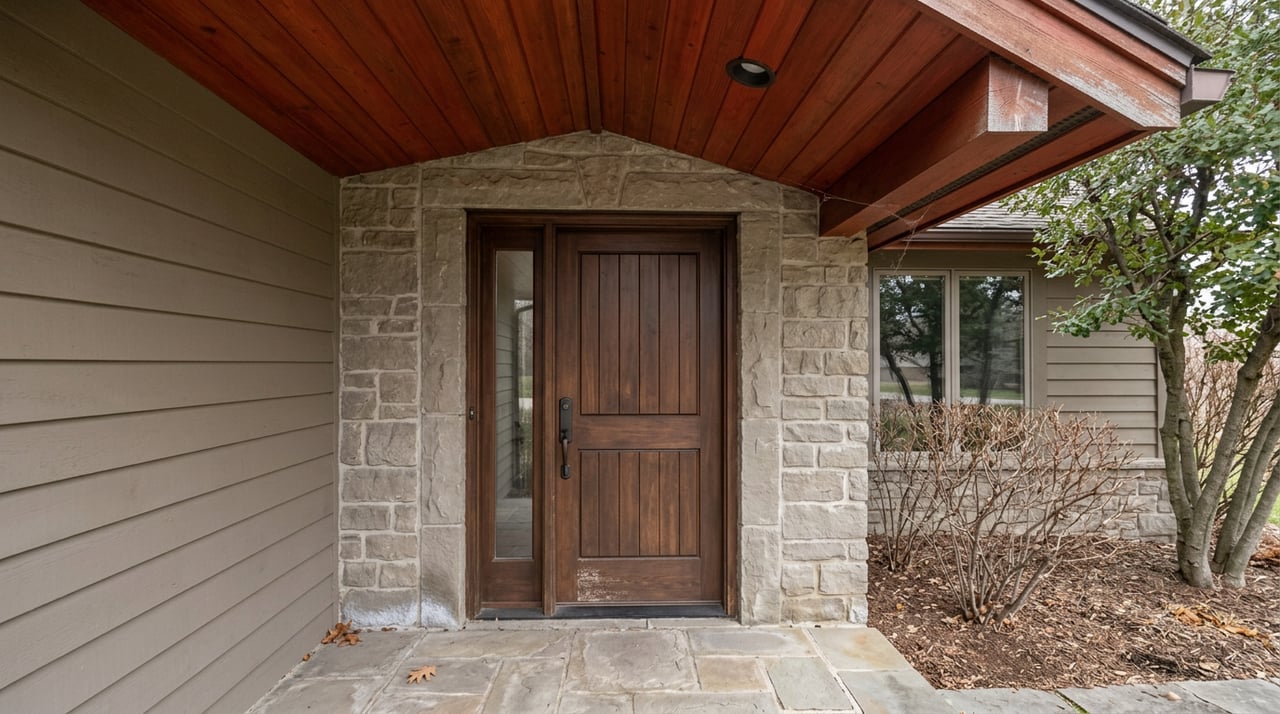
As listing day gets closer, the work becomes more visual. NAR recommends decluttering, deep cleaning, and handling small touch-ups that improve the way the home shows in person and in photos. That includes cleaning windows, carpets, walls, and lighting fixtures, along with improving the front entrance and landscaping.
These changes matter because buyers often form an opinion before they read a single property detail. Clean rooms, clear surfaces, and strong curb appeal can make your home feel easier to understand and easier to picture living in.
Staging is optional, but it can be useful in a market where buyers are comparing multiple homes carefully. NAR’s 2025 report found that 83% of buyers’ agents said staging made it easier for buyers to visualize a future home. The rooms most commonly staged were the living room, primary bedroom, and dining room.
That does not mean every Longmont listing needs full-service staging. Sometimes selective staging or simply editing furniture and decor can do the job. The main goal is to help buyers see the space, the function, and the flow of the home without distraction.
When your home goes live, the most important decisions have usually already been made. This is the week to stay focused on launch price, showing readiness, and document readiness. In Longmont, where homes are still selling near asking price but not instantly, details can influence how much leverage you keep.
A strong launch usually means your price reflects recent comparable sales, your home’s condition, and any issues buyers are likely to factor into their offers. It also means your home is ready for photos, easy to show, and supported by the documents buyers commonly request. Good first impressions still matter, especially in the first days on market.
Based on current market data, many buyers in Longmont appear to be looking for value, not necessarily a bargain. They are likely comparing a city-level median listing price around $599,000 with higher county-level prices, which can make a clean, well-prepared home stand out.
That means buyers may respond best when a listing feels honest, polished, and appropriately priced. They are not necessarily demanding perfection, but they are paying attention to condition, disclosures, and whether the asking price makes sense for what they see.
Selling a home is easier when you are not making every decision under pressure. The earlier you talk through pricing, repairs, disclosures, and presentation, the more options you usually have. That kind of planning can help you avoid over-improving, underpricing, or getting caught off guard by preventable inspection issues.
If you are preparing to sell in Longmont, working with a broker who understands Boulder County market dynamics, disclosure details, and presentation strategy can help you move forward with a clearer plan. If you want practical guidance tailored to your timeline and property, connect with Terri Gray for a thoughtful next step.
Stay up to date on the latest real estate trends.








Let me know how I may be of assistance to you.