Erie New Construction Trends in Weld County
January 1, 2026
January 1, 2026
Thinking about a new-build home near Erie but not sure what to expect on features, costs, and timelines? You are not alone. With growth pushing into Weld County, buyers see plenty of options and just as many decisions. This guide breaks down what builders are delivering, where growth is happening, how energy features factor in, and what it all means for resale. Let’s dive in.
New neighborhoods tend to rise on Erie’s growth edges and in nearby Weld County communities where land can be more available. Builders follow major arterials and utility extensions that connect to I-25, US-287 and local county roads. Exact subdivisions change quickly, so track activity rather than chasing old maps.
To keep tabs on current sites:
Open main floors that blend kitchen, dining and family space are a standard. You will see large kitchen islands that seat 3 to 5 and walk-in pantries for storage. Flexible rooms that double as an office or guest space are common, and many plans add an upstairs loft for a second living area.
Many communities offer main-floor primary suites, especially in ranch and “main-floor living” lines that appeal to downsizers. Family-focused plans often deliver 3 to 4 bedrooms with 2 to 3 baths.
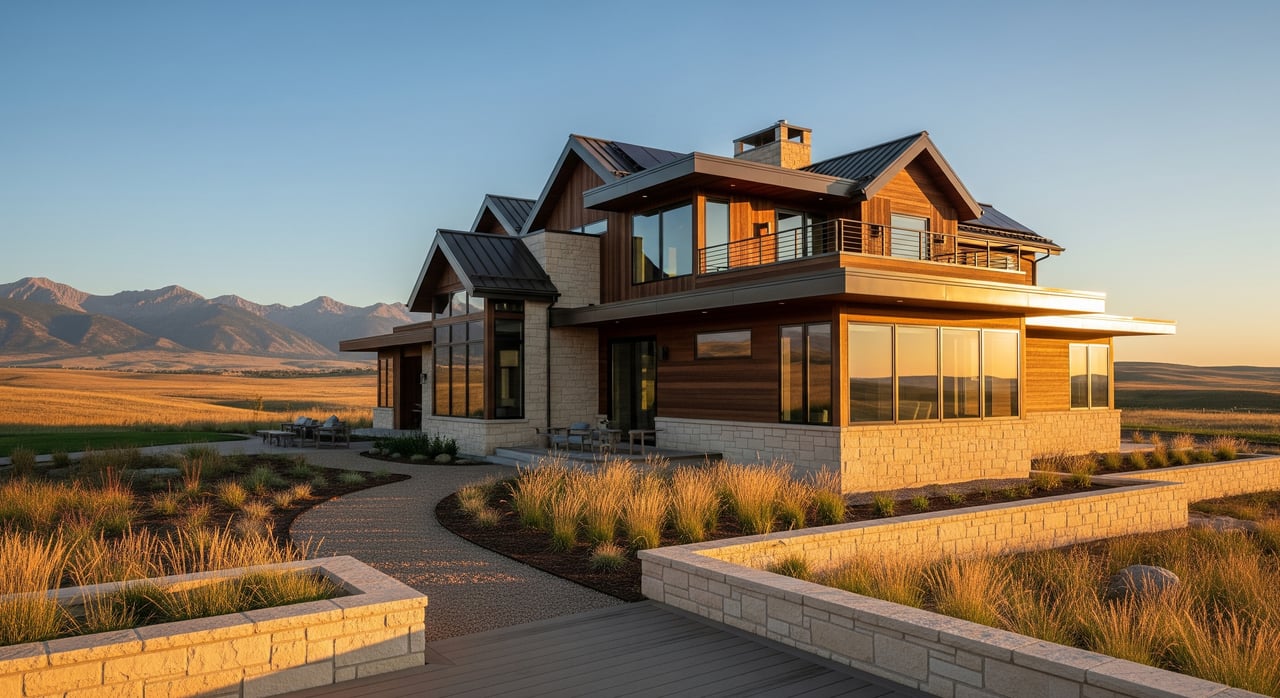
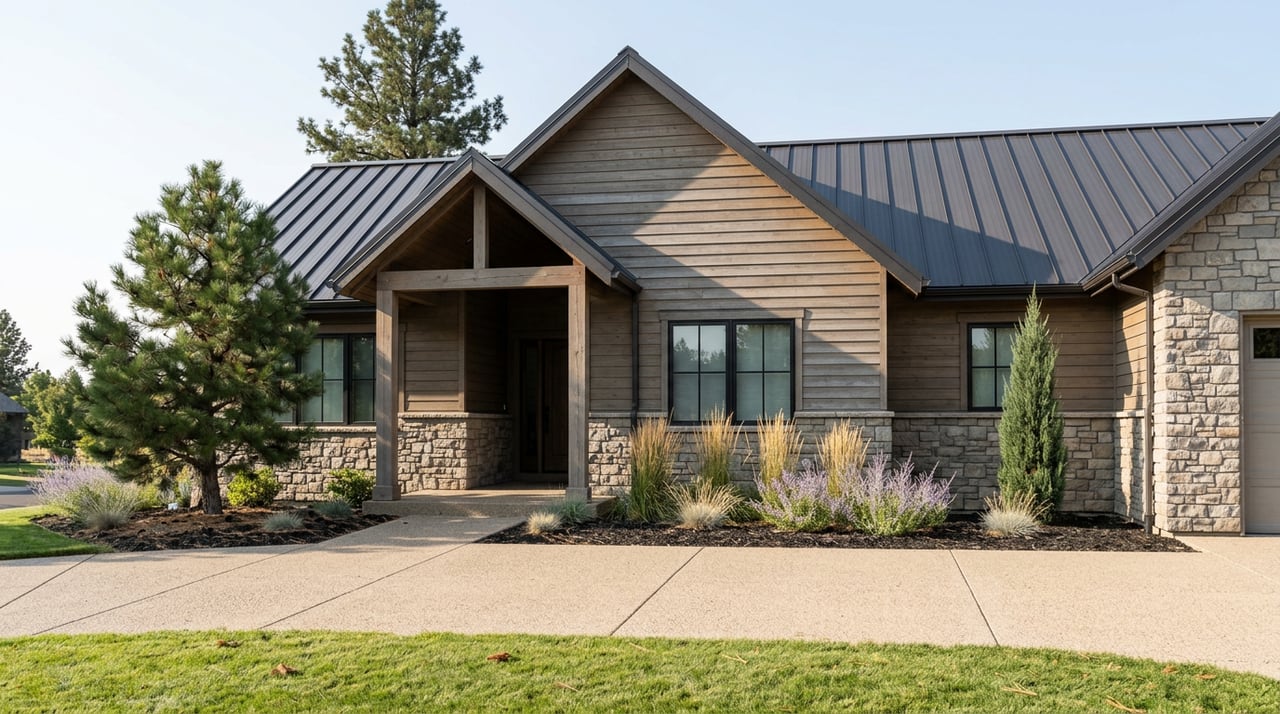
Covered patios and outdoor living areas are popular and often priced as upgrades. Orientation for mountain or sunset views can carry a lot premium. Most builders include front landscaping and irrigation, with options for expanded plantings or hardscaping.
Buyers expect clean, design-forward finishes. Common packages include:
Smart-home features are increasingly pre-wired. Expect rough-ins for video doorbells, smart thermostats and whole-home Wi‑Fi as included or optional items.
Builders continue to deliver high-efficiency gas furnaces and central air, and many now offer heat pump options as interest in electrification grows. Better insulation, tighter envelopes and improved windows are common upgrades. Tankless water heaters are frequent in new builds.
Solar often shows up as an upgrade or “solar-ready” package with roof reinforcement and pre-wiring. EV charging rough-ins or 240V garage outlets are showing up more often, with full Level 2 chargers typically sold as upgrades. Utility and government incentives can change your payback math, so verify current programs with Xcel Energy, the Colorado Energy Office and federal guidance. Ask for any HERS index or energy package details so you can compare homes.
Energy features can help resale because buyers value lower operating costs and modern systems. Transferable warranties and documented performance scores make those benefits clearer to future buyers.
New-build pricing has several layers. You will see a base price for the plan, a lot premium for size or views, and then structural and finish options. Popular add-ons like covered patios, premium appliance packages, a finished basement, or a 3-car garage can move the final number.
Tips to set a realistic budget:
If you buy a spec home, you can often close in weeks or a few months depending on stage. A to-be-built home typically runs about 6 to 12 months from contract to close. Timelines stretch with permit timing, winter weather, material lead times and labor availability.
What to ask the builder for:
New construction brings modern layouts, fresh systems and warranties that buyers like. You may pay a higher price per square foot and premium for lots and finishes. Early in a new neighborhood, resale can soften temporarily if similar homes hit the market at once. Location, builder reputation, lot orientation, energy features and community amenities drive long-term value.
Use this side-by-side to clarify your best fit.
For new builds:
For resale homes:
You get a partner who understands Boulder County and the Erie market, plus the process discipline to keep your build on track. I help you evaluate floor plans, lot choices, energy packages and upgrade paths, then compare them to resale options so you see the full picture. My mortgage fluency and negotiation experience support smooth financing, clear appraisal expectations and thoughtful contract terms. You can count on organized selection reviews, milestone check-ins and a final walk-through plan that protects your interests.
Ready to explore your options in Weld County around Erie? Connect with Terri Gray to request a free home valuation or personalized buyer consultation.
Stay up to date on the latest real estate trends.
Let me know how I may be of assistance to you.