Erie Home Prices vs Boulder and Lafayette in 2026
April 23, 2026
April 23, 2026
If you are trying to choose between Erie, Boulder, and Lafayette, home prices only tell part of the story. You also need to know what you get for your money, how each market is growing, and which tradeoffs may matter most to your day-to-day life. This guide breaks down how Erie home prices compare to Boulder and Lafayette so you can make a more confident move. Let’s dive in.
The clearest snapshot starts with Zillow’s typical home values as of March 31, 2026. In that data, Boulder sits at $964,531, Erie at $725,091, and Lafayette at $676,851. That puts Erie at roughly 25% below Boulder and about 7% above Lafayette, based on Zillow’s measure of typical home value.
That said, price comparisons can shift depending on the data source. According to Redfin’s March 2026 housing market data for Boulder, median sale prices were $819,175 in Boulder, $767,500 in Erie, and $787,000 in Lafayette. In other words, Erie appears higher than Lafayette in Zillow’s numbers, but slightly lower in Redfin’s closed-sale medians.
That difference matters because these are not the same metric. Zillow tracks a modeled typical value, while Redfin reports median closed sales. If you are comparing affordability across cities, the most honest takeaway is this: Boulder is clearly the premium market, while Erie and Lafayette tend to be much closer to each other.
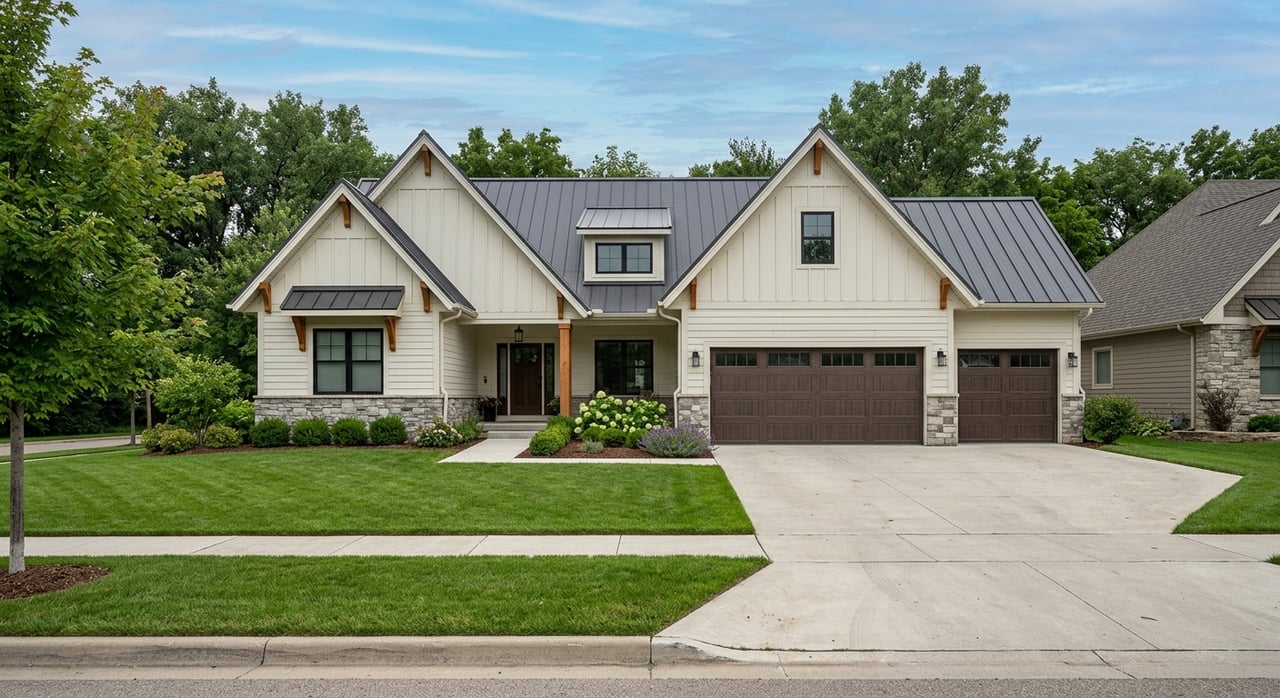
For many buyers, Erie stands out because it often offers more home and more neighborhood scale for the dollar. That does not mean it is always the cheapest option every month. It means the combination of price point, newer housing stock, and broader lot-size range can create strong value compared with Boulder.
Erie also has a larger development pipeline than the other two markets. The Town of Erie community profile notes that Erie is a growing community with a 2025 population of 40,183 and a projected population of 48,000 by 2030. That kind of growth helps explain why Erie offers more new-home choices and a wider range of neighborhood options.
One major example is Westerly, an 800-acre community planned for about 3,100 homes. The community states that around 40% of its acreage is devoted to parks, open space, trails, and amenities. For buyers who want newer construction, community amenities, and room to grow, that is a meaningful part of Erie’s appeal.
Boulder remains the most expensive of the three for a reason. The city has limited land available for residential development, which helps support higher long-term pricing. If you want closer access to established urban amenities and a more connected in-city environment, Boulder often commands a premium.
The City of Boulder’s inclusionary housing information states that remaining land appropriate for residential development is limited. The city also requires new residential development to provide 25% affordable housing or an equivalent contribution. Those conditions shape a market where supply is tighter and new housing opportunities are more constrained.
A current example is Alpine-Balsam, an 8.8-acre site planned for 217 new homes, including 22 market-rate townhomes and 144 permanently affordable rentals. Compared with Erie’s large master-planned communities, Boulder’s new supply tends to be smaller in scale and more limited. That scarcity is part of why Boulder sits at the top of the pricing ladder.
Lafayette often appeals to buyers who want Boulder County access with a somewhat smaller-city feel. From a pricing perspective, it tends to land just below Erie or very close to it, depending on the metric you use. That makes it an important comparison point if you are looking for options outside Boulder without moving too far out.
Lafayette also has active development, but the pipeline is more compact than Erie’s. The City of Lafayette development projects page highlights projects such as Silo Phase 2, while Willoughby Corner is a 24-acre planned neighborhood with 400 permanently affordable homes in duplexes, townhomes, and apartments, along with gardens, trails, park space, a dog park, and a community building.
In practical terms, Lafayette can offer a middle-ground option. You may find a more compact product mix and a smaller pipeline than Erie, while still staying connected to Boulder County. For some buyers, that balance is exactly the point.
Price matters, but so does product type. If two cities are relatively close in price, the better question is often what kind of home, lot, and community you can expect at that price point.
Erie offers one of the widest housing ranges in this comparison. The research shows examples of new-construction lots around 7,700 square feet, along with edge-of-town acreage properties above 2.75 acres and even 11.48 acres. That broader spectrum gives buyers more flexibility if space is high on the priority list.
Boulder’s newer inventory tends to be more constrained and infill-oriented. Research examples show new-construction lots around 0.31 acre, which can still be generous, but overall new supply is much more limited. In Lafayette, current homesites in Silo are reported around 0.12 to 0.17 acre, or roughly 5,400 to 7,290 square feet, which reflects a more compact new-home pattern.
If you are comparing lifestyle and square footage together, Erie often stands out for buyers who want newer homes, larger communities, or more lot-size variety. Boulder tends to command more for location and scarcity. Lafayette often lands in between with a smaller-scale housing mix.
Your budget is only one part of the decision. The better fit often comes down to how you want to live day to day.
According to the Town of Erie community profile, Erie sits just west of I-25 with access to I-70, Denver International Airport, and the Front Range. The town also describes Erie as a commuter-oriented bedroom community. For many buyers, that means Erie can work well if you want regional access while prioritizing space and newer neighborhoods.
Boulder offers the strongest in-city mobility and downtown amenity package of the three. The Pearl Street Mall is a four-block pedestrian destination with shops, restaurants, and RTD access, and the HOP bus connects key parts of the city on a frequent schedule. If walkability and immediate access to established urban amenities are top priorities, Boulder often delivers that experience more directly.
Lafayette offers a different kind of convenience. The city’s Ride Free Lafayette service is a free, on-demand, door-to-door bus service within city limits, and Lafayette states that residents have access to more than 1,800 acres of parks and open space plus a broad network of trails and bike paths. That can appeal to buyers looking for a smaller community feel with practical local connectivity.
No one can promise future price performance, but you can look at the factors shaping each market. Boulder has the clearest scarcity story. Limited residential land and tighter development conditions can support pricing over time, though that also means the entry point is already high.
Erie has a different profile. Its population growth, regional location, and large new-home pipeline suggest continued demand and neighborhood expansion. At the same time, more incoming supply can sometimes moderate short-term appreciation compared with a highly constrained market.
Lafayette sits in another lane. Its demand is tied in part to Boulder County access and a more limited housing stock, while current development remains smaller in scale than Erie’s. For buyers thinking about long-term positioning, each city offers a different blend of entry price, supply, and location dynamics.
If you want the shortest version, here it is. Boulder is the premium, high-scarcity market. Erie often offers the best balance of price and new-home choice. Lafayette can be a Boulder County middle ground with more compact development patterns.
That does not mean one city is universally better. It means the right choice depends on whether you value walkability, lot size, new construction, commute patterns, or overall budget most. When you compare all three through that lens, Erie often becomes especially compelling for buyers who want more space and more options without paying Boulder pricing.
If you are weighing Erie against Boulder or Lafayette, working with someone who understands both pricing and financing can make the comparison much clearer. Whether you are relocating, buying your first Front Range home, or using VA financing, Terri Gray can help you sort through the numbers, neighborhood tradeoffs, and next steps with a steady, informed approach.
Stay up to date on the latest real estate trends.
Let me know how I may be of assistance to you.