Best Boulder Neighborhoods for Modern Design-Forward Homes
February 19, 2026
February 19, 2026
You’re not just hunting for square footage. You want clean lines, great light, and a home that brings the Flatirons right into your living room. If that sounds like you, Boulder offers distinct pockets where modern architecture, mountain‑modern sensibilities, and thoughtful remodels cluster. In this guide, you’ll see which neighborhoods deliver on design, what tradeoffs to expect, and how to shop smart around local rules and site realities. Let’s dive in.
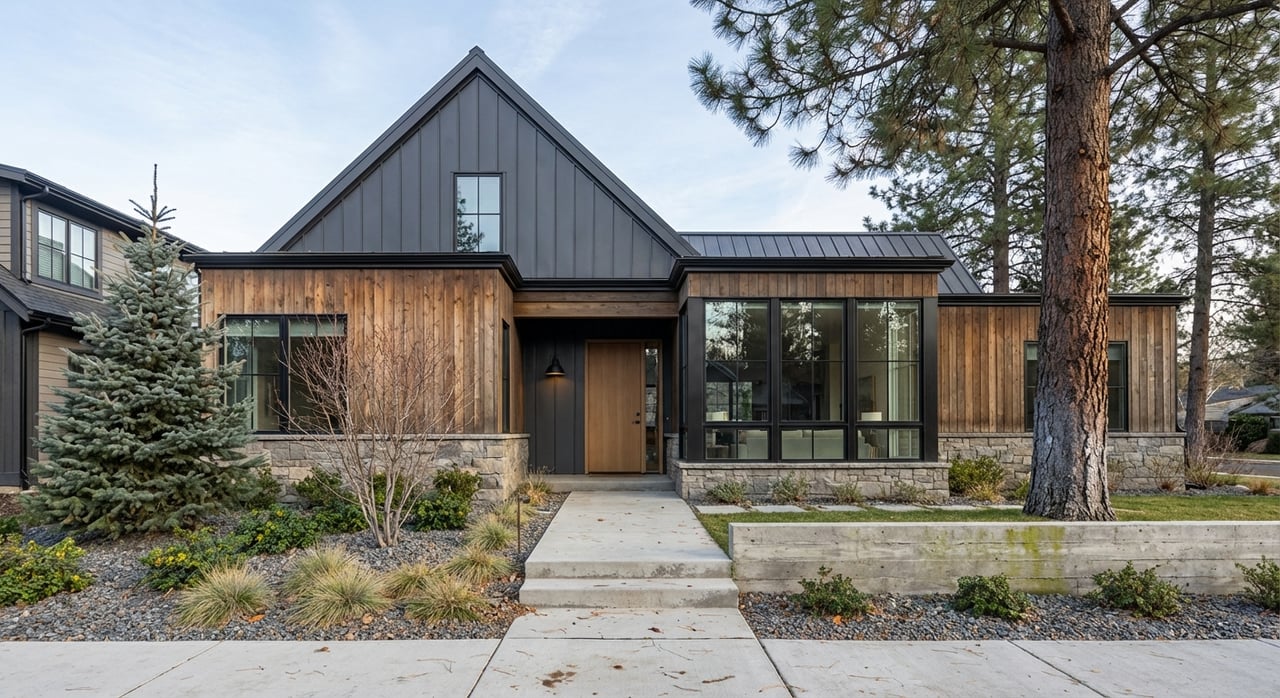
Design‑forward in Boulder typically includes modern or mountain‑modern new builds, architect‑designed one‑offs, mid‑century homes with refined updates, and boutique contemporary condos or townhomes near urban amenities. These homes often emphasize indoor‑outdoor connections, expansive glazing, and high‑quality finishes.
For quick context, recent snapshots place Boulder’s median home price around the low‑to‑mid $900Ks citywide. Neighborhoods with walkability, views, or large lots can sit well above that. Use city medians for orientation, then look to live comps for a specific address.
If you want character and culture within blocks of Pearl Street, Mapleton Hill is a standout. The streetscape leans Victorian and Craftsman, and many interiors hide sleek, high‑end contemporary renovations. Because Mapleton Hill is a designated historic district, exterior changes require a Landmark Alteration Certificate and demolitions face review, which keeps exteriors controlled and streetscapes cohesive. Review the City’s preservation guidance to understand what is feasible on contributing properties. You can find the guidelines for historic districts and landmarks on the City of Boulder website under the Guidelines for Individual Landmarks and Historic Districts.
For a quick neighborhood overview, local guides note Mapleton’s historic context and careful infill; see this Mapleton Hill neighborhood primer for a sense of character and typical housing forms.
Newlands sits where neighborhood streets meet foothill trails. Original ranches, mid‑century modern updates, and contemporary rebuilds create an architectural mix that frames Flatirons views. Lots near Mount Sanitas deliver the indoor‑outdoor lifestyle many modern buyers seek. Learn more about the area’s appeal in this Boulder neighborhoods overview.
If you want to preview trail proximity, the Mount Sanitas East Ridge and Sanitas Valley Loop gives a sense of how quickly you can step from street to hillside.
Terraced streets and elevated lots here produce panoramic east and south exposures. That light and outlook inspire multi‑level contemporary designs with striking glass and decks. The vibe is eclectic, from classic bungalows to crisp architect‑designed forms.
An overview of Boulder’s north and foothill options, including these elevated pockets, appears in this neighborhood roundup.
These true foothill areas attract bespoke, architect‑led projects with natural materials and expansive glazing that sit lightly on the land. Privacy, seclusion, and trail adjacency define the lifestyle.
NoBo blends former industrial parcels with new infill, creating a canvas for contemporary townhomes, adaptive reuse lofts, and modern cottages near dining and creative spaces. For a neighborhood snapshot and local flavor, see the Travel Boulder NoBo guide.
If your ideal is contemporary design without mountain maintenance, look to the city’s urban cores. Boutique townhomes, newer mixed‑use buildings, and modern condos offer walkability and polished finishes.
South Boulder mixes established streets with periodic contemporary builds and quick access to signature trailheads. The Chautauqua area, in particular, places you near iconic hikes and cultural events. The City’s Chautauqua Trailhead page outlines parking and shuttle details that shape daily life near this amenity.
If your heart is set on clean lines and newer systems at a lower entry price than central Boulder, consider suburban pockets to the northeast and along the Front Range. You’ll often find developer‑built contemporaries, larger lots, and less vintage maintenance.
In designated historic districts like Mapleton Hill and parts of central Boulder, exterior work requires a Landmark Alteration Certificate, and demolitions of older buildings can trigger review. This preserves neighborhood character and narrows the playbook for dramatic exterior modernism on contributing properties. Review the City’s Guidelines for Individual Landmarks and Historic Districts before you plan a major remodel.
Proximity to Open Space and Mountain Parks often commands a premium because of direct trail access and scenery. At popular nodes like Chautauqua, you’ll want to factor in parking rules and seasonal crowding based on the City’s Chautauqua trailhead resources.
Foothill and mountain properties sit in the wildland‑urban interface. Budget for defensible space, appropriate exterior materials, possible insurance differences, and driveway or utility maintenance on steeper parcels. Boulder County’s Community Wildfire Protection Plan is an essential read.
Large exterior remodels and teardowns in older neighborhoods can see extended review windows. The City’s Landmarks Design Review Committee schedules and processes can influence timelines. Build realistic buffers into your plan.
If you’re drawn to clean lines, bright spaces, and a lifestyle that lives both inside and out, Boulder is ready for you. Whether you’re weighing a Mapleton remodel, a Newlands rebuild, or a Pine Brook Hills custom project, you’ll make smarter choices with local guidance on design, permitting, and pricing.
When you’re ready, reach out to Terri Gray for a personalized buyer consultation. You’ll get a neighborhood short list tailored to your aesthetic, lender‑savvy advice that simplifies financing options, and a clear plan to compete for Boulder’s best modern homes.
Stay up to date on the latest real estate trends.
Let me know how I may be of assistance to you.