Selling Your Design-Forward Home in Boulder

March 5, 2026

Is your home more than four walls — a place where light, lines, and materials tell a story? In Boulder, design matters. Buyers here notice craftsmanship, provenance, and how a house lives with the landscape. If you are preparing to sell a design-forward or architect-led home, the right plan can help you capture a premium and move with confidence.

This guide walks you through pricing, presentation, media, timing, and go-to-market tactics tailored to Boulder. You will see what today’s buyers value and how to showcase your home’s architecture without overdoing it. Let’s dive in.

Boulder market at a glance

Boulder sits in a higher price band, with typical city medians often reported around the mid to high six figures and near the million-dollar mark. Treat portal medians as directional and validate with current MLS comps before you set pricing. Boulder County also has strong fundamentals, including a median household income near $104,000 and high bachelor’s-degree attainment. Those factors support demand for quality, design-forward homes. You can review county-level income and education data on the Census QuickFacts page for Boulder County.

Who is your likely buyer? You may see higher-income professionals, university-connected buyers, design enthusiasts, and out-of-area Front Range or second-home shoppers. Neighborhood context also matters. Areas like Mapleton Hill, Newlands, North Boulder, Pine Brook Hill, Sunshine Canyon, and the West Pearl area often draw design-aware buyers who value architecture and setting.

Position your home’s story

A design-forward home sells best when the story is clear and credible.

  • Document architect and builder: include names, dates, and design intent if available.
  • Create a materials and systems sheet: list premium finishes, windows, cabinetry, mechanicals, and any smart-home or integrated features.
  • Gather energy and performance info: include insulation, HVAC details, solar, window specs, and any certifications.
  • Add awards and press: highlight juried awards or media mentions to support value.

These materials help buyers understand what they are paying for and shorten their due diligence.

Staging that honors the architecture

Staging influences how buyers visualize living in your home. In the National Association of Realtors’ Profile of Home Staging, a majority of buyer agents reported that staging helped buyers see a property as a future home. The report and newsroom summary also note that quality photos, video, and tours are important to clients. You can review the findings in the NAR Profile of Home Staging and the NAR staging roundup.

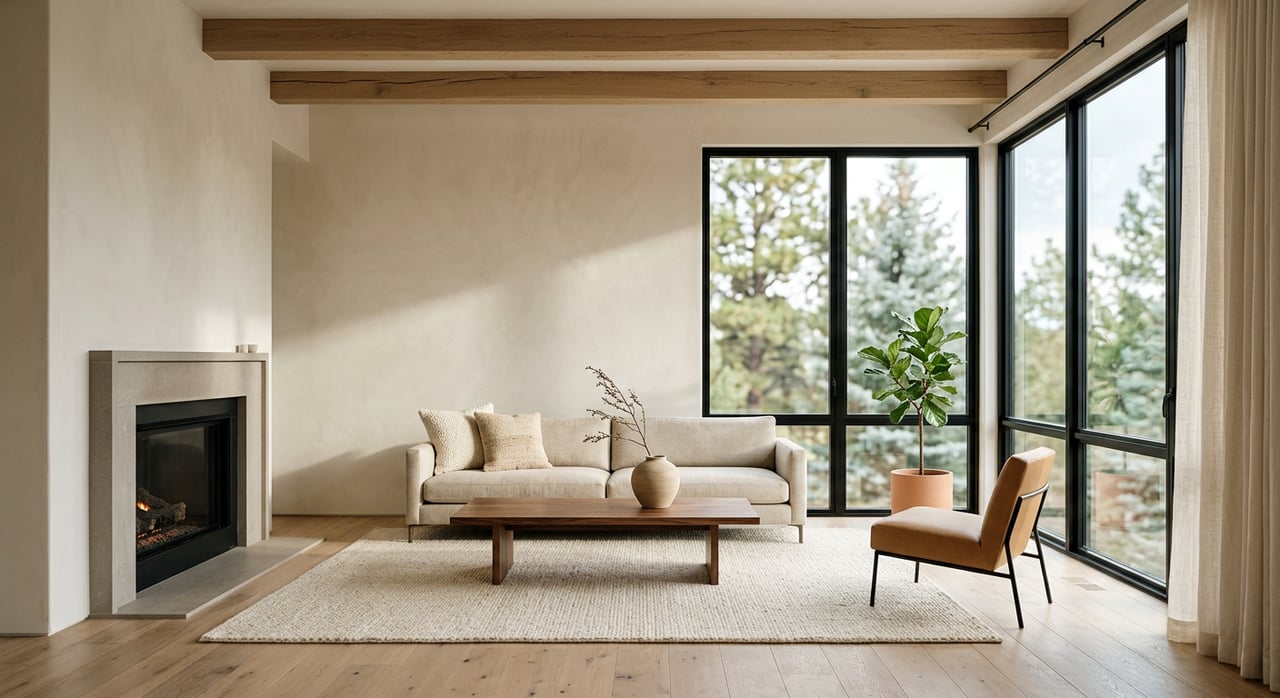
  • Keep sightlines clear. Avoid bulky pieces that block window walls, built-ins, or key architectural lines.
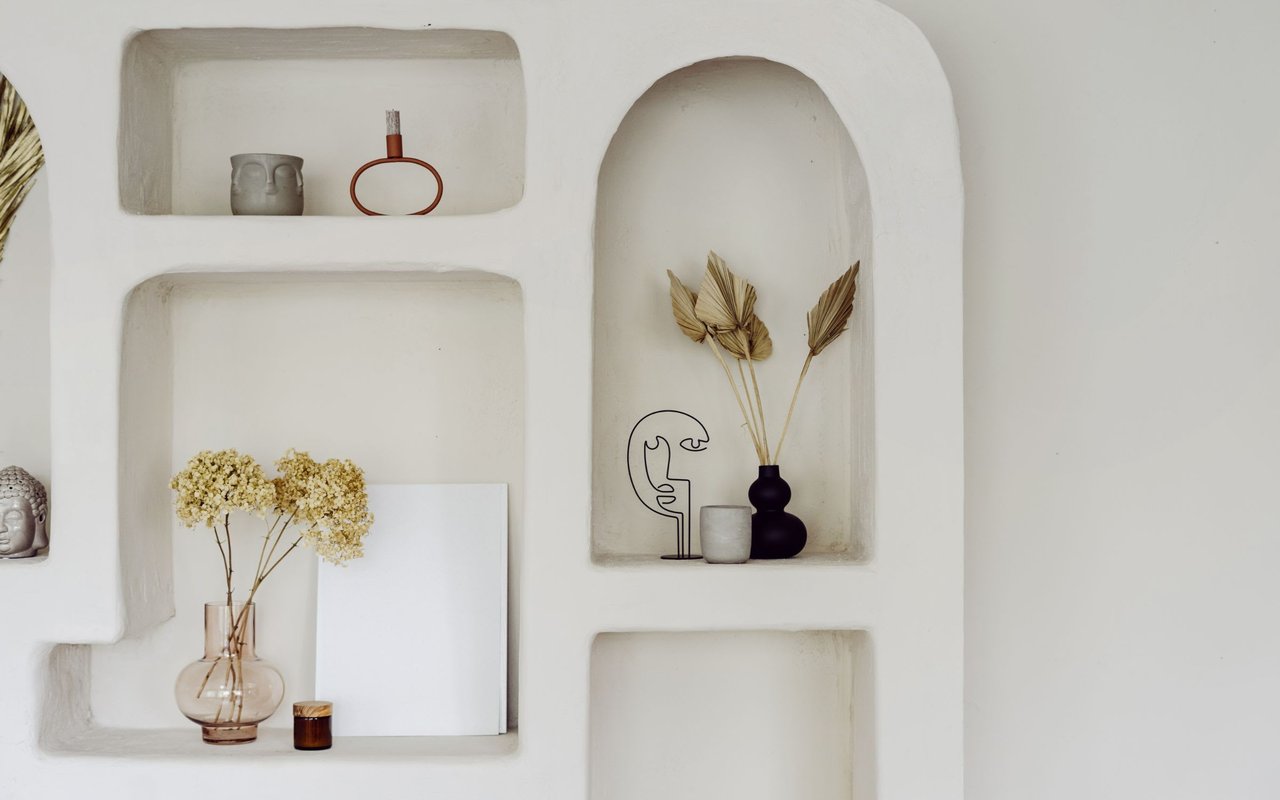
  • Use proportion and negative space. Choose a few sculptural pieces sized to the room rather than overfilling.
  • Layer light. Combine ambient and accent lighting, and keep window treatments simple and functional for glare control while showcasing views.
  • Highlight materials. Let concrete, millwork, or stone details read clean and intentional with light styling.
  • Add restrained warmth. A mostly neutral palette photographs well. Use a few tactile accents so the space feels livable, not sterile.
  • Prioritize key rooms. The living room, kitchen, and primary bedroom usually drive first impressions.

Costs vary by scope. NAR reports a common seller spend around the low thousands when a staging company is used, with a reported median near $1,500 in some surveys. For premium homes, a larger budget can be justified by faster sales and stronger offers. Industry roundups compiled by the Home Staging Institute summarize typical cost ranges and ROI considerations.

Must-have media and storytelling

Today’s buyer often discovers your home online first, so your visuals need to communicate both architecture and lifestyle. NAR findings emphasize that high-quality photos, video, and virtual tours matter to buyers.

Minimum deliverables you should expect:

  • 30-plus high-resolution stills, including detail shots and 2 to 3 twilight exteriors
  • A measured floor plan for flow and scale
  • A clean, well-edited video walkthrough of 90 to 180 seconds
  • An MLS-ready description and a concise spec sheet

Premium upgrades for stronger engagement:

  • Cinematic 4K video with purposeful pacing and audio
  • A Matterport or similar 3D tour
  • Aerial photographs and short aerial clips captured by an FAA-certified operator
  • A dedicated property microsite that houses the story, specs, floor plan, and downloadable brochure

If you use drone or aerial imagery, confirm that your pilot holds the required FAA Part 107 Remote Pilot Certificate and carries liability insurance. For a quick compliance primer, see NAR’s overview of commercial drone use.

Pricing a unique property

Architect-designed homes do not always fit standard comparables. Use a hybrid approach that blends market proof with narrative value.

  • Start with a Comparative Market Analysis. Anchor to relevant local sales and document adjustments for size, lot, views, condition, and finishes.
  • Add a cost or replacement lens. For highly custom builds with rare materials or recent construction, outline a rebuild cost minus depreciation as a secondary value reference. Appraisers often use the cost approach for unique properties when comps are scarce. You can learn more about how the cost approach is applied in this overview from Class Valuation.
  • Consider a pre-list appraisal. A credible third-party opinion can set expectations and support you if a buyer’s appraisal tests the contract price.
  • Package the proof. Combine the architect story, materials list, permits, warranties, energy data, and maintenance records in a clean digital folder.

Pricing strategy ideas:

  • Market-anchored premium: Price near realistic comps with a documented premium for provenance, materials, and design.
  • Controlled exposure: Launch with a competitive price, run a focused 4 to 6 week campaign to reach the right buyer pool, then evaluate.

Launch timing in Boulder

Many Boulder sellers aim for late February through May to meet peak buyer activity, with an additional window in early September for relocation-driven demand. Prepare in winter so you can photograph and list when light, landscaping, and buyer traffic line up. Twilight exteriors often look strongest in spring and early summer.

Marketing channels that reach design buyers

To reach the right audience, place your listing where design-minded buyers actually pay attention.

  • MLS syndication: Ensure the feed includes your microsite, video, 3D tour, and floor plan.
  • Paid digital: Target social ad campaigns to interest segments like architecture, design, and sustainable living.
  • Design and luxury networks: Leverage luxury affiliations and design-media outreach with a press kit that highlights the architect story and high-res imagery.
  • Direct outreach: Host invitation-only previews for local brokers, architects, and design professionals.

When you interview agents, ask about luxury or design credentials and the exact budget for photography, staging, media, and paid reach. The Certified Luxury Home Marketing Specialist designation is one credential you can look for in the luxury segment.

Eight-week prep plan

  • Weeks 8 to 6: Pre-list inspection, service HVAC, roof and key systems, and shape a landscaping plan.
  • Weeks 6 to 4: Declutter, deep clean, paint touch-ups, finalize staging approach, book photographer and videographer.
  • Weeks 4 to 2: Install staging, capture interiors, exteriors, twilight, floor plan, 3D tour, drone, and video; build the property microsite and brochure.
  • Weeks 2 to 0: Validate price with fresh comps, launch on a Thursday to maximize weekend exposure, and schedule broker previews.

Why work with Terri Gray

You get boutique-level marketing with process discipline. Terri combines nearly two decades of experience with MileHi Modern’s design-forward tools to present your home at its best. Her background in mortgage and appraisal issues helps you navigate valuation on unique properties, and her team-enabled model keeps every detail moving on timeline.

If you are considering a sale this season, request a pricing and media plan tailored to your home’s architecture. Connect with Terri Gray for a complimentary consultation and valuation.

FAQs

How should I price an architect-designed home in Boulder?

  • Blend a comps-based CMA with a documented premium for provenance, materials, and site, and consider a pre-list appraisal to support negotiations.

What staging budget makes sense for a modern home?

  • Many sellers invest in the low-to-mid thousands, with NAR reporting a common median around $1,500, and higher budgets for premium or vacant listings when ROI justifies it.

Do I need drone photos for my Boulder listing?

  • If views, lot, or setting are key to your story, drone adds value, but use a Part 107-certified pilot and include aerials as part of a broader, high-quality media package.

When is the best time to list in Boulder?

  • Late February through May captures strong spring demand, with a secondary window in early September; prepare in winter so you can launch with optimal light and landscaping.

How do appraisals handle unique design features?

  • Appraisers start with market comps, then reconcile with cost or income approaches when comps are limited; detailed documentation helps them recognize value.

Work With Terri