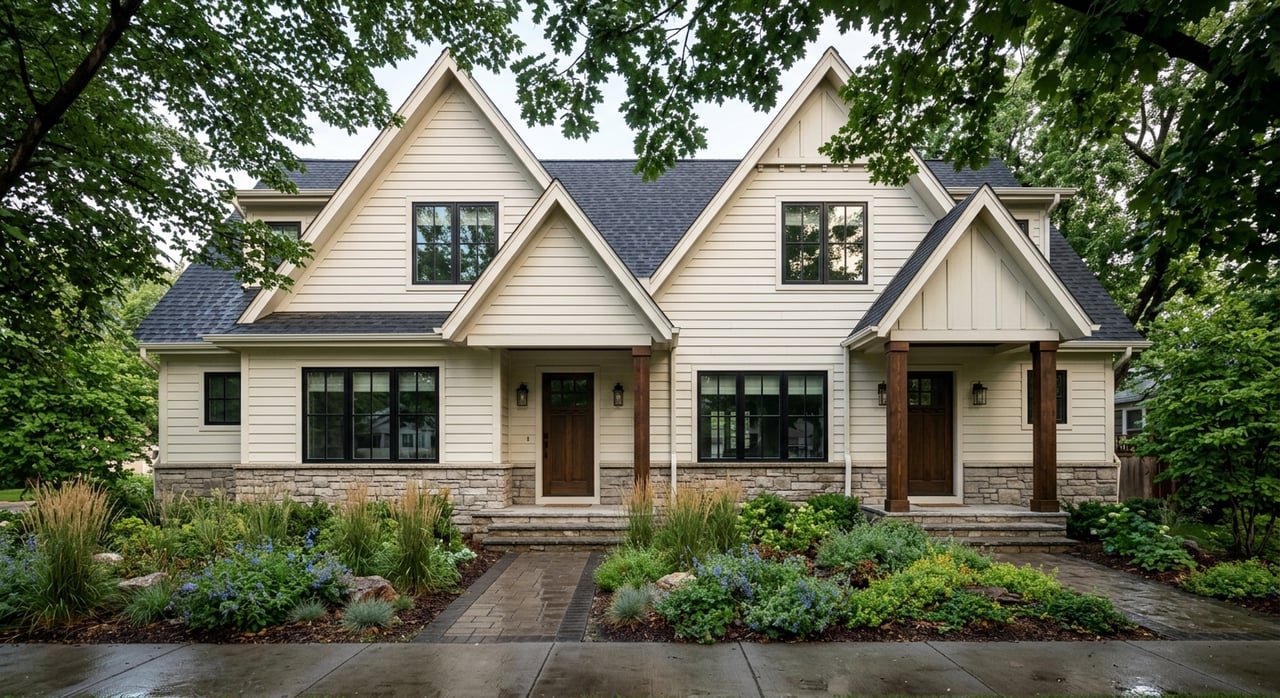
Lafayette vs Louisville Colorado: Find Your Best Fit
May 14, 2026
May 14, 2026
Wondering whether Lafayette or Louisville is the better fit for your next move? It is a common question in Boulder County, especially when you want the right balance of budget, home style, trails, and commute. The good news is that both communities offer strong lifestyle appeal, but they serve different priorities. If you are trying to narrow your search with confidence, this guide will help you compare the details that matter most. Let’s dive in.
Lafayette and Louisville are neighboring communities, but they do not sit at the same price point or feel exactly the same on the ground. In broad terms, Lafayette tends to offer a lower entry price and a somewhat broader housing mix. Louisville tends to come in at a higher price point and has a stronger share of detached homes.
That does not mean one town is better than the other. It means your ideal choice depends on what you value most, whether that is flexibility in home type, access to trails, or a commute pattern that fits your daily routine.
For many buyers, price is the clearest starting point. Current market snapshots in Lafayette cluster around the mid-$600,000s to mid-$700,000s. The research report notes figures including a typical home value of $674,671, a median sale price of $682,305, and a median listing price of $725,000.
Louisville is consistently higher. The research report shows a typical home value of $837,462, a median sale price of $840,500, a median sold price of $925,000, and a median listing price of $950,000. Exact numbers vary by source and metric, but the market gap is clear.
If keeping your purchase closer to a lower price point is a top priority, Lafayette may give you more room to work with. If you are comfortable shopping at a higher price level for Louisville’s housing profile and location advantages, that market may still be the right fit.
Home style can shape your day-to-day experience just as much as price. Lafayette’s housing stock is a bit more mixed, according to the city’s housing study. About 61% of homes are single-family detached, 14% are single-unit attached, and 2.7% are in buildings with 50 or more units.
Louisville’s housing plan shows 67% single-family detached housing, 9% plex housing, and 22% multifamily. Louisville also allows accessory dwelling units on single-family lots, including attached and detached forms, and its zoning contemplates attached housing such as rowhomes and townhomes.
In practical terms, Lafayette may appeal to you if you want a somewhat broader range of housing options. Louisville may rise to the top if you are focused on finding a detached home and want to center your search there.
If your ideal community includes a downtown area where you can spend time close to shops, dining, or community events, compare the exact area rather than relying on the town name alone. Lafayette’s Old Town corridor runs primarily along Public Road and Simpson Street. Louisville’s historic downtown centers on Main Street.
This matters because walkability is often block by block. A home near Old Town Lafayette may offer a very different day-to-day experience than one farther out, just as a home near Main Street in Louisville may feel very different from one on the edge of town.
If you are deciding between the two, make sure you compare specific neighborhoods and addresses instead of assuming the whole town will feel the same. This is one of the most important parts of narrowing your search.
Both communities offer strong outdoor access, which is a major draw in Boulder County. Lafayette reports about 20 miles of trails and 1,640 acres of open space. Its trail network connects neighborhoods, businesses, and nearby communities.
Louisville reports about 32 miles of trails and roughly 2,000 acres of open lands. Its system connects open spaces to residential neighborhoods and commercial areas, giving you broad access across town.
If a larger trail and open-space footprint is high on your list, Louisville may have the edge based on the available numbers. If you want solid trail access while also weighing other factors like price and housing mix, Lafayette remains a strong option.
Commute style can make one town feel much more convenient than the other. Lafayette’s transportation resources highlight RTD routes 225, DASH, JUMP, and LD, plus the park-n-ride at 1080 S Public Road, access to the US 36 Flatiron Station, and the city’s free Ride Free Lafayette service for trips within town.
Louisville’s transportation page emphasizes the Flatiron Flyer, AB service to Denver, FlexRide, and the US 36 commuter incentive program. Based on the research report, Lafayette reads as the more Boulder-linked transit option, while Louisville reads as the more US 36 and Denver-linked option.
If your routine points you toward Boulder, Lafayette may be worth a closer look. If your travel pattern leans more heavily toward Denver or the US 36 corridor, Louisville may fit better.
Both Lafayette and Louisville are in Boulder Valley School District, but school attendance areas are based on legal residence. That means you should not assume every home in Lafayette or every home in Louisville is assigned to the same schools.
Representative Lafayette schools include Lafayette Elementary, Angevine Middle, and Centaurus High. Representative Louisville schools include Louisville Elementary, Louisville Middle, and Monarch PK-8. The key step is to verify the exact address through BVSD attendance area information before you make a decision.
This is especially important if school assignment is one of your top factors. A city name alone will not give you the full picture.
When buyers feel stuck between Lafayette and Louisville, it usually helps to rank the factors that matter most. Once you know your top two or three priorities, the decision often becomes much clearer.
Here is a simple way to think about it:
On paper, Lafayette and Louisville can look similar because they are close together and both offer strong Boulder County appeal. In real life, your best fit comes down to how you want to live each day. Budget, commute, home type, and access to trails or downtown all shape that experience.
That is why a side-by-side comparison is so valuable. Instead of asking which town is better, ask which town supports your goals more naturally. That shift in thinking can save you time and help you search more strategically.
If you are relocating, moving up, or trying to balance financing with lifestyle, a clear local comparison can make the process feel much less overwhelming. The right community is the one that matches your priorities, not just the one with the biggest name recognition.
If you want help comparing specific neighborhoods, commute patterns, or home options in Lafayette and Louisville, Terri Gray can help you sort through the details and build a search around what matters most to you.
Stay up to date on the latest real estate trends.


Let me know how I may be of assistance to you.