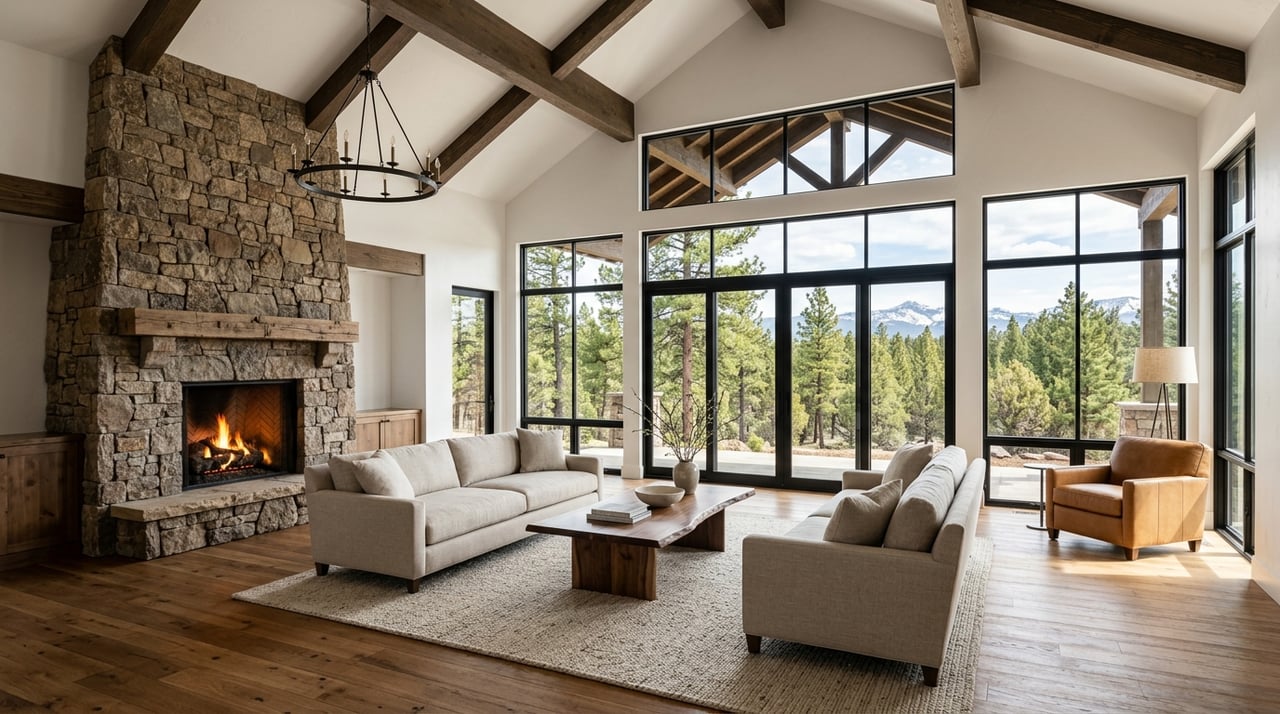
Move Up to a Larger Home in Erie, Colorado
July 9, 2026
July 9, 2026
Need more space but want to stay in Erie? You are not alone. As households grow and daily routines change, many owners reach a point where the current home no longer fits, yet leaving a community with trails, parks, and convenient access to Boulder, Denver, and the airport may not feel like the right move. This guide will help you think through the numbers, timing, and local options so you can move up with more confidence. Let’s dive in.
Erie continues to attract households that want room to grow. The town’s 2025 community profile estimated a population of 41,916, with an average household size of 2.99 and a median household income of $163,644, which helps explain why demand for larger homes remains part of the local market.
The town also has a neighborhood pattern that supports move-up demand. Erie reports that 92.6% of its housing base is made up of single-family households, and 99% of residents have access to at least one park within one mile of home. With more than 1,500 acres of open space and a trail network connecting neighborhoods, schools, businesses, and activity centers, many buyers prefer to stay local when they need more square footage.
Erie’s location also matters. The town places Erie about 20 minutes from Boulder, 30 minutes from Denver, and 35 minutes from Denver International Airport. If your work, family, or lifestyle spans the Front Range, moving up within Erie can help you gain space without giving up convenience.
If you are moving up, preparation matters because Erie is still a fairly active market. Redfin reports a median sale price of $772,538 for the three months ending May 2026, while Realtor.com shows a May 2026 median sold price of $780,000 and a median listing price of $715,000.
The exact figures differ by source, but the direction is similar. Homes are still moving at a pace that rewards buyers and sellers who have a plan before they start shopping. Redfin says homes average 42 days on market, while Realtor.com reports 35 days on market and describes Erie as a seller’s market.
That does not mean you need to rush blindly. It means you should get clear on budget, financing, and timing early so you can act with less stress when the right home appears.
The first question is not just what your current home might sell for. The better question is what you are likely to net after your mortgage payoff and the costs of selling.
For a move-up purchase, that estimate shapes almost every next step. It helps you gauge your future down payment, how much cash you may have for closing costs, and whether you will have room for moving expenses, repairs, or updates in the next home.
Buying and selling a home usually involves more than the sale price alone. Costs can include commissions, fees, taxes, closing costs, moving costs, repairs, and home improvements. If you start with a realistic net-proceeds estimate, your move-up plan becomes much more grounded.
A larger home often brings a larger monthly payment, but that is only part of the picture. You also need to account for property taxes, insurance, utilities, maintenance, and any community-specific costs tied to the home you choose.
A practical readiness check includes steady income, good credit, savings, and enough room in your budget for the full cost of ownership. That includes the mortgage payment, taxes, insurance, closing costs, moving costs, and any work you may want to do after closing.
This is where preapproval becomes especially useful. Comparing official loan offers can help you understand your payment range before you decide whether to list first, widen your search, or target a different price point.
For many move-up buyers, selling first is the more common path. It can give you a clearer picture of your proceeds and reduce the risk of carrying two housing payments at once.
That approach also fits the way many households plan a move. If your equity from the current home is important to your next down payment, selling first can make the process more straightforward.
Still, the right sequence depends on your finances, comfort level, and inventory options. In Erie, where homes can move in about 35 to 42 days on average and some hot homes go pending much faster, it helps to map out your timeline before your current home hits the market.
One common mistake is assuming your next step has to be one specific kind of property. In Erie, that can narrow your options more than you expect.
The town reported 720 new housing units completed in 2025, but it also noted that the share of completed single-family detached homes declined through the year. That means buyers looking for more space may need to compare different property types and different parts of town rather than waiting for one perfect category of home.
Depending on your goals, your move-up path could include:
The best fit depends on how you balance size, layout, location, monthly cost, and long-term plans.
New construction can be appealing if you want modern layouts, new systems, and builder inventory that may align with your timing. Resale homes can offer established settings, mature landscaping, and access to parts of Erie with a different feel or price point.
In Erie, there is also an important local cost difference to understand. Metro districts are separate governmental entities with taxing authority and infrastructure responsibilities, and residents pay an additional property tax through a separate mill levy. For newly built homes, that levy may not appear right away because county valuation usually occurs within the first year, so it may show up one to two years after closing.
That means the early payment picture on a new home may not tell the whole story. If you are comparing new construction to resale, make sure you are looking at the full monthly cost over time, not just the first-year estimate.
There are also contract details to review carefully with builder homes. If you are considering new construction, it is smart to ask under what conditions a deposit can be returned and when inspections happen before you are fully committed.
Erie is not a one-price-fits-all market. Local neighborhood snapshots from Realtor.com show a wide spread in resale pricing, which can create several move-up strategies depending on what you are leaving and what you want next.
For example, median price snapshots show Old Town Erie around $529,000, Vista Ridge around $645,000, North Park West around $632,000, and Anthem and Anthem Highlands near $1.0 million. Days on market also vary by area, ranging from the high 20s to the low 50s.
That spread matters because moving up does not always mean making a dramatic leap. Sometimes it means choosing a different location, a different home style, or a better layout that gives you more function without stretching into the top of the market.
More square footage matters, but it should not be your only filter. In Erie, many buyers also compare commute convenience, access to open space, neighborhood setting, and which school district serves the property.
The town says Erie is served by St. Vrain Valley School District and Boulder Valley School District. If district boundaries are important to your search, that is a factor to confirm early while you evaluate homes.
You may also find yourself choosing between a more established setting and a newer planned community. Downtown Erie’s ongoing redevelopment and mixed-use activity may appeal to buyers who want a more central setting, while other areas may offer newer homes, different amenities, or a different price range.
If you want to buy a larger home in Erie, a clear process can keep the move from feeling overwhelming.
Start with a realistic idea of what your current home could sell for, then subtract your mortgage payoff and expected selling costs. This gives you a working number for your next purchase.
Get preapproved and compare loan offers. If you are a veteran or military household, it is especially helpful to work with someone who understands VA financing and how it fits into a move-up strategy.
Look beyond principal and interest. Include taxes, insurance, utilities, maintenance, and any metro-district costs if you are considering newer construction.
Think through whether selling first makes the most sense for your household. In a market where homes can move quickly, your listing and search plan should work together.
Do not limit yourself too early. A larger home in Erie might come through resale inventory, new construction, or a different home style than you first imagined.
If selling is part of your move-up plan, presentation and pricing matter. A strong launch can improve your timeline and create better options for the purchase side.
A move-up transaction asks you to solve two big problems at once. You are trying to maximize the value of your current home while making a smart purchase in a market that may keep moving while you plan.
That is why process matters. Clear pricing, realistic net-sheet planning, strong communication, and lending fluency can make the difference between a stressful move and one that feels organized from start to finish.
If you are thinking about buying a larger home in Erie, a thoughtful plan can help you see your options more clearly. When you are ready for a personalized strategy for both the sale of your current home and the purchase of your next one, connect with Terri Gray.
Stay up to date on the latest real estate trends.
Let me know how I may be of assistance to you.