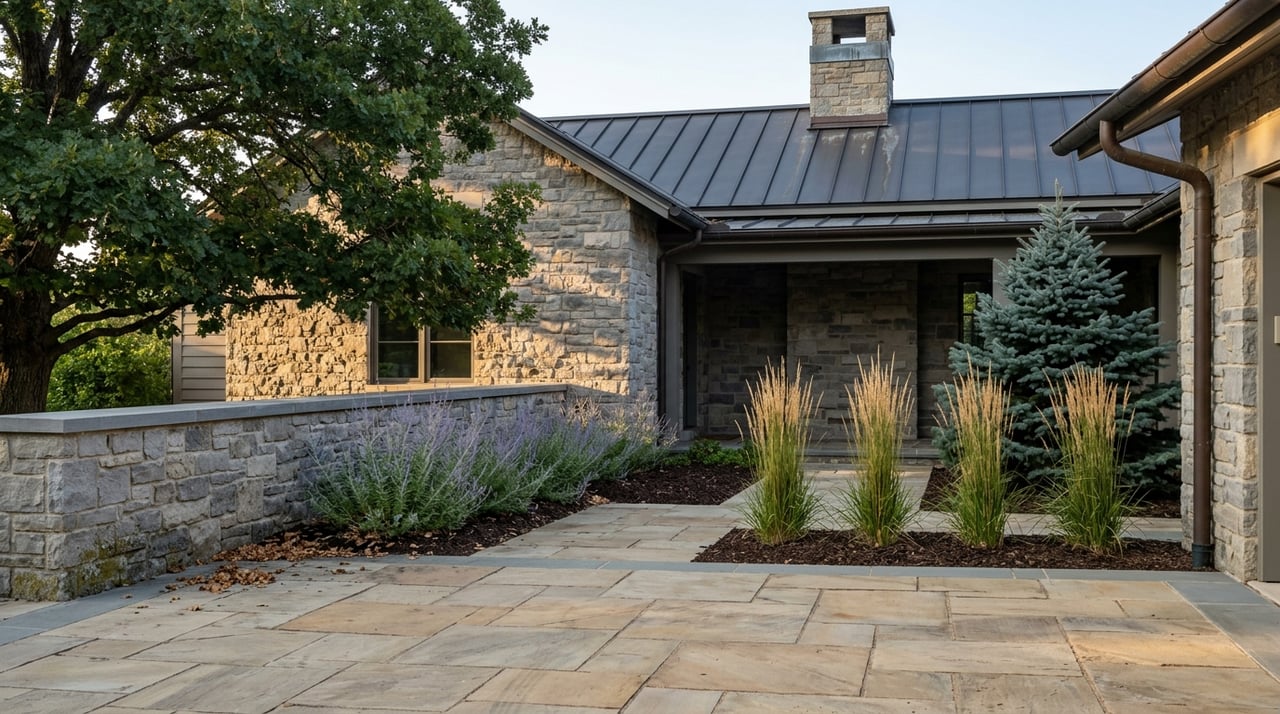
Louisville CO Home Prices by Neighborhood This Summer
August 27, 2026
August 27, 2026
Pull up the same page on Redfin for Louisville, Colorado, and you can watch two prices argue with each other. The three month median sale price through June 2026 sits at $959,000, up 10.9 percent from a year earlier. Scroll down and the average sale price for the most recent month is $817,000, down 1.6 percent over the same stretch. That is a $142,000 gap between two numbers on one page, both accurate, both current, both describing the same town.
Zillow adds a third voice to the argument. Its Home Value Index, which tracks the typical home rather than whatever happened to sell, puts Louisville at $826,415 through June 2026, down 5.5 percent year over year. So the median says the market is up double digits. The average on the same source says it slipped. The index built to smooth out exactly this kind of noise says values actually fell.
None of these numbers is wrong. They are measuring different things, and the reason they disagree tells you more about Louisville right now than any single figure could.
Louisville sold 94 homes in June 2026, down from 95 the year before. That is a small monthly sample. When a market moves that few homes in a month, a handful of unusually expensive or unusually modest closings can swing the median hard in either direction without a single existing homeowner's equity actually changing.
This is the part a national data feed will never explain to you, because it has no reason to look past the county line. Louisville's price signal right now is being shaped in part by one rebuilding cycle in a specific neighborhood.
The first cycle traces back to December 2021, when the Marshall Fire tore through Boulder County. Coal Creek Ranch, a golf course subdivision built around Coal Creek Golf Course, was one of the hardest hit pockets in Louisville, with more than 160 homes destroyed. The city's own recovery page still tracks active rebuild permits there today, which means a meaningful share of what closes in that subdivision this year is brand new construction sitting next to homes that never burned. Every time a freshly rebuilt house closes for materially more than its 2021 predecessor would have sold for, it pulls the neighborhood's price data in a direction that has nothing to do with buyer demand and everything to do with what got built.
The broader price picture looks like this side by side, using the most current window each source reports:
| Market slice | Metric | Time window | Value | Change year over year |
|---|---|---|---|---|
| Louisville, CO citywide | Median sale price | 3 months ending June 2026 | $959,000 | +10.9% |
| Louisville, CO citywide | Average sale price | Most recent month (July 2026) | $817,000 | -1.6% |
| Louisville, CO citywide | Typical home value (ZHVI) | Through June 2026 | $826,415 | -5.5% |
| Old Town Louisville | Average sale price | Most recent month (July 2026) | $770,000 | -11.0% |
The Coal Creek Ranch rebuild story does not explain the whole picture. Old Town Louisville, the walkable historic core that gives the city its small town feel, is not caught up in that rebuild cycle. It is simply softer. The average house price there over the most recent month was $770,000, down 11 percent year over year, and Redfin's own competitiveness score puts Old Town at 50 out of 100 against a citywide score of 69. Homes there are also selling for roughly 4 percent below list price on average, a wider discount than the city as a whole.
That gap matters for anyone comparing what their money buys in different parts of the same small town. A buyer targeting a walk to Old Town spots like Bittersweet Cafe and Confections or Lucky Pie Pizza is shopping a genuinely cooler segment than a buyer eyeing a new build near the golf course. The citywide median blends both buyers into one number and tells neither of them anything useful.
If you are comparing Louisville to Superior, Lafayette, or Erie using the citywide median as your yardstick, you are really comparing whichever handful of houses happened to close that quarter in each town, not the value of a home like the one you actually want. A few questions get you closer to a real answer:
The city itself is aware its neighborhoods are moving on different timelines. Louisville adopted an updated Comprehensive Plan in March 2026 after input from more than 2,000 residents, an acknowledgment that a town this size cannot be planned or priced as a single unit.
Is Louisville, CO a buyer's market or a seller's market right now? It depends entirely on which slice of the city you mean. The citywide median points toward continued seller strength, while Old Town's wider list to sale discount and softer competitiveness score suggest more room for buyer negotiation there specifically.
A citywide number can tell you Louisville is a place people want to be. It cannot tell you what your specific target street is doing this month, and right now the gap between those two things is wider than usual. If you are weighing Louisville against another Boulder County town, or trying to figure out what a rebuild lot in Coal Creek Ranch or a remodel candidate in Old Town is actually worth, Terri Gray can pull the subdivision level comps that the portals blend away. Request a free home valuation or a personalized buyer consultation and get a read on the neighborhood you're actually considering, not the citywide average.
Stay up to date on the latest real estate trends.

Let me know how I may be of assistance to you.